

Offering a total of 80mg that consists mainly of 50mg of GHK-Cu, substantial material is available for typical research concentrations needed in multi-week protocols. One vial of the KLOW blend purchased by labs contains coverage for all four phases. The unique where researchers find KLOW peptide immune support provided by KPV’s cytokine modulation and antimicrobial properties distinguishes it from the GLOW blend, which lacks this element in its three peptides. The design of four peptides is intentional — it aims to simultaneously address each crucial phase of tissue repair biology. To run comparative protocols, many researchers combine KLOW with the GLOW blend or use individual vials of BPC-157 and TB-500; our peptide stacking guide details how to organize multi-peptide research setups. Select the 80mg option for the KLOW blend at the top of this page, add it to your cart, and finish the checkout process using your chosen payment method.
Precision at this stage protects study planning, inventory records, and the ability to compare findings across lots. If the formula is vague, the amounts are missing, or the naming does not match the certificate of analysis, pause before purchasing. Clear labeling is the first checkpoint because it establishes what is actually being evaluated. Look for the identity of every listed peptide, the amount of each component per vial or unit, the total quantity, and the format being supplied. Researchers should not assume that a product carrying the same shorthand label from two suppliers contains the same components, strengths, excipients, or total fill quantity. In a category where shorthand names and proprietary blends can vary by supplier, the label alone is not enough.
This results in quicker wound healing and faster recovery of muscle, tendon, and connective tissue. This small tripeptide, derived from alpha-MSH (melanocyte-stimulating hormone), exhibits strong anti-inflammatory and immune-regulating properties. At a concentration of 50mg, it constitutes the majority of the vial’s weight, which is significant for later reconstitution calculations. For my shoulder, I utilize BPC-157; I use TB-500 for recovery and GHK-Cu for skin benefits.
How much does KLOW 80mg cost?
Its vial is also the priciest here, and KLOW peptide cost can change between visits. Two listings can share the KLOW label and still state those amounts in different ways. KLOW peptide cost is only comparable between vials of the same size and ratio. BTL’s August 2026 certificate reports 99.8% purity, and you can verify the code on the lab’s site. The commonly listed vial holds 80 mg in total.
Handling and reconstitution
Others experience nothing despite perfect protocols. The synergy makes sense—better sleep means better recovery. Creates anti-microbial effects that limit infection risk. A pilot study in women with interstitial cystitis found 10 of 12 patients achieved complete symptom resolution.
During my recovery from a persistent shoulder injury that physical therapy alone couldn’t resolve, I used KLOW. KLOW has been employed by me for recovery after surgery and for chronic injuries that were unresponsive to physical therapy on its own. Key themes include tissue repair, reduced inflammation, and enhanced recovery. The peptides come pre-measured in a specific ratio. For tendon recovery, I have successfully used TB-500 on its own.
Final Verdict: Is Kovagen a Reliable Source for Klow?
The peptide industry has become flooded with low-cost suppliers cutting corners on purity, storage, and quality control. In vitro research refers to experimental procedures performed outside of living organisms within controlled laboratory environments for analytical and investigative study. Its role in research is limited to analytical investigation, peptide interaction analysis, and biochemical signaling pathway modeling conducted under structured experimental protocols.
Expect the per-month cost to be meaningfully higher than research-grade alternatives — you’re paying for verified purity, clinical oversight, and legal compliance. Some buyers source raw peptide powder and reconstitute it themselves with bacteriostatic water. Cellular Vitality Nasal Spray uses intranasal delivery for fast mucosal absorption — no injections, no prescription, no compounding required. Athletes and biohackers have gravitated toward it for its theorized role in soft tissue recovery. In preclinical models, it has demonstrated effects on angiogenesis (new blood vessel formation), tendon-to-bone healing, and gut lining integrity. KLOW is marketed in wellness circles as a “recovery stack” — meaning it’s positioned to support tissue repair, modulate inflammatory signaling, and assist post-exercise or post-injury recovery timelines.
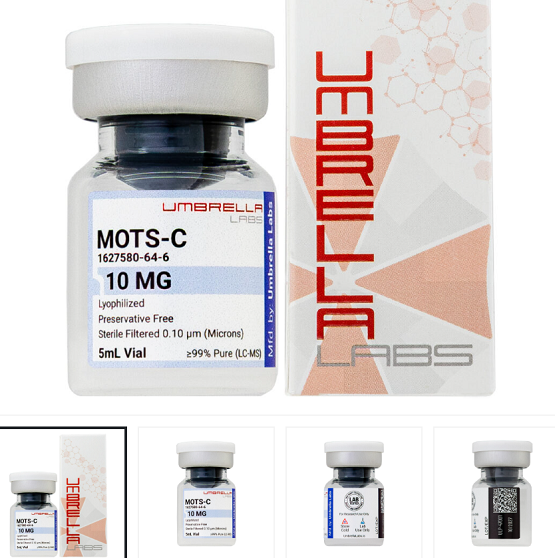
In US listings in October 2026, peptide blends cost about $60 to $220 per vial, depending on the blend, size and seller. It means the product is sold for laboratory study and isn’t approved for use in people. If a study uses a four-peptide blend and sees a change, it can’t say which of the four did it. Neither is “better”; it depends on what you need to study and how much testing you want to see. Our KLOW COA guide walks through a four-peptide report, and our guides on how to read a peptide blend COA and how to verify a peptide COA cover the details.
While some studies utilized cell lines derived from humans, it doesn’t imply that KPV was administered to people participating in the research. A study conducted in 2008 examined how it penetrated intestinal epithelial and immune cells via a transporter known as PepT1. Verify the actual label, as blend names do not serve as universal specifications. Ensure you know which material was tested, the method of delivery, and if the outcomes were evaluated in human subjects. Marketed for recovery, skin quality, and inflammation, the individual ingredient studies do not confirm these advantages for the combined product. KLOW and other listed peptides are available as lyophilized powders intended for research use, so plan your handling, storage, and documentation accordingly.
